Modern Voices: Poetry at the Edge of the Self
Contemporary poetry inherits ancient questions and places them inside modern rooms: hospital corridors, railway stations, glowing screens and cities that never quite become silent.

Contemporary poetry inherits ancient questions and places them inside modern rooms: hospital corridors, railway stations, glowing screens and cities that never quite become silent.
Explore cosmic horror in Poe and Lovecraft, where the scale of the universe unsettles human certainty and transforms fear of the unknown.
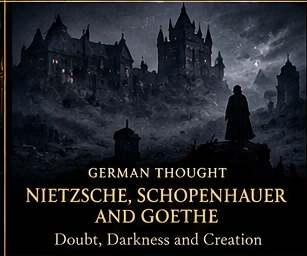
Explore desire, morality and meaning through Schopenhauer, Nietzsche and Goethe's Faust—and their contrasting visions of human existence.
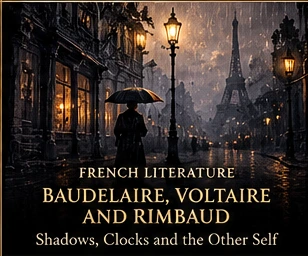
Baudelaire, Voltaire and Rimbaud reveal three ways to question modern life: the city's loneliness, the power of doubt and the poetry of an unsettled self.
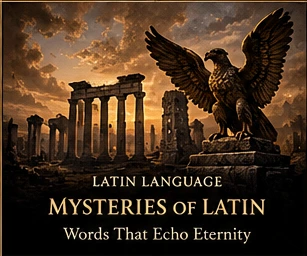
Latin survives not only in books and inscriptions but in compact phrases that still sound like warnings from another century. 'Homo homini lupus' imagines the human being as a wolf to another human being.
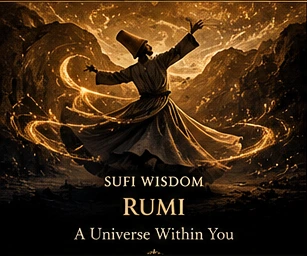
A drop of water appears insignificant beside an ocean. Yet mystical poetry repeatedly reverses that scale, suggesting that what seems small may contain a vast interior world.
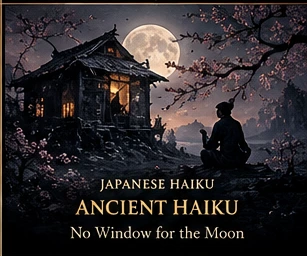
Explore Japanese haiku, the image of a moon beyond ruined walls and how brief poetry can transform our perspective on loss and wonder.
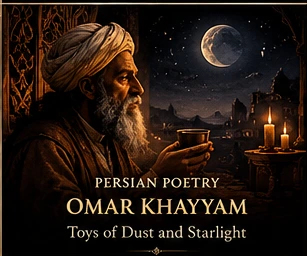
Explore Omar Khayyam's poetry of wine, mortality and fleeting life, including the literary legacy and disputed authorship of the Rubáiyát.
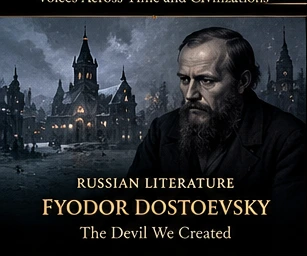
Fyodor Dostoevsky's fiction places moral mystery inside ordinary human beings. His characters confess, rationalise, love, humiliate themselves and discover that a single mind can hold incompatible desires.
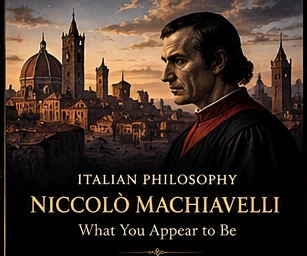
Why do leaders wear masks? Explore Machiavelli’s ideas about power, public image and reputation—and what they reveal about identity in the social media age.



