
DARK PAGE / HUMAN NATURE
METAPHYSICS
The mysteries of fear, influence, memory and the hidden forces shaping human behaviour.
What shapes our decisions when we are afraid, uncertain or desperate to belong? This section examines psychological research alongside the stories that reveal our most complicated instincts.
THE FEATURE / MEMORY & PERCEPTION
The Memory That Never Happened
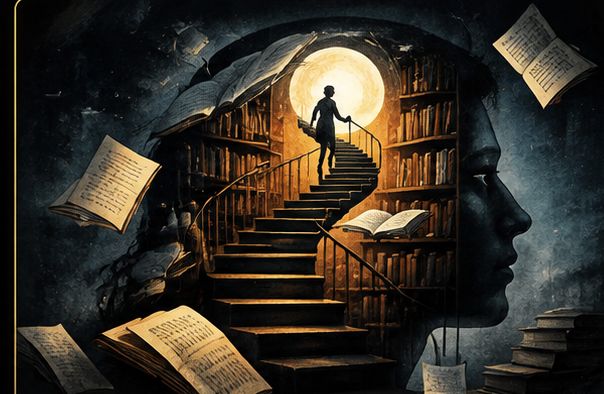
A door closes. A voice rises in the corridor. Years later, you remember the colour of the walls, the weight of the silence, even the precise words someone spoke. But what if one detail was never there?
Memory is not a sealed archive. When we recall an experience, the brain reconstructs it from fragments: perception, emotion, prior knowledge and later information. Most memories remain useful, but confidence and accuracy are not the same thing. A detail repeated by a friend, a photograph viewed years afterward or a question asked in a suggestive way may influence how an event is remembered.
Why the Mind Fills the Gaps
The brain is constantly making predictions about the world. Those expectations help us navigate ordinary life quickly, yet they can also shape what we notice and what we later believe we saw. Research on misinformation effects shows that subsequent suggestions can alter reports of remembered events. That does not mean every recollection is false, or that all testimony should be dismissed. It means important claims deserve corroboration where possible.
The Difference Between a Story and Evidence
Imagine two people leaving the same dimly lit room. One remembers a red coat; the other recalls a dark jacket. Neither disagreement proves dishonesty. The lighting, angle, attention and passage of time all matter. A careful investigator looks for independent records rather than choosing the most dramatic account.
Perhaps the unsettling truth is not that memory sometimes fails us. It is that memory can feel most certain precisely when we have stopped questioning it.
Research context: Elizabeth Loftus and colleagues’ experimental work on post-event misinformation; cognitive psychology research on reconstructive remembering. This feature is general education, not clinical advice.
NEW FEATURE / THE BRAIN
The Other 90% — Is There a Hidden Universe Inside the Human Brain?
What if the most famous claim about human intelligence is wrong—and the truth is even more mysterious? Discover why the ten-per-cent myth fails, what neuroplasticity really offers, and why consciousness remains one of science’s deepest questions.
READ THE FULL ARTICLE →NEW FEATURE / THE MIND & BODY
Does the Heart Think? The Strange Intelligence of a Beating Organ
Long before science mapped the nervous system, poets believed the heart knew what the mind could not explain. Today, we know the heart contains neural circuits and communicates with the brain. But does it think? The truth is more subtle—and more fascinating.
READ THE FULL ARTICLE →EXPLORE THE JOURNAL
Inside the Human Mind
Explore original writing on behaviour, perception and the psychological dimensions of mystery.
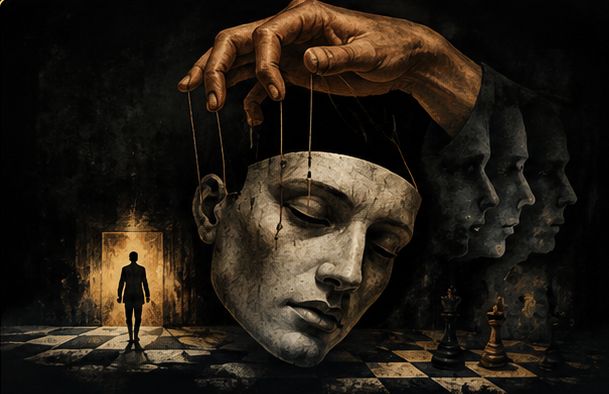
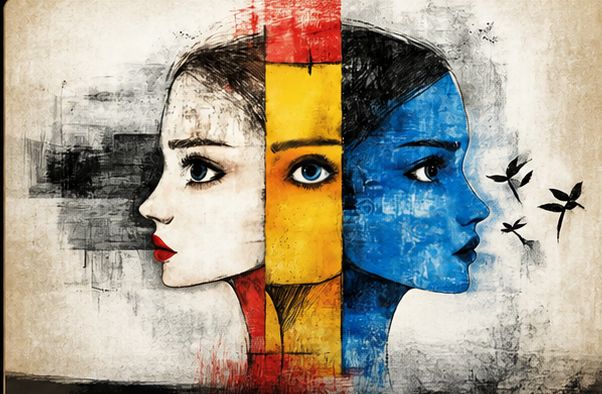
BROWSE DARK PSYCHOLOGY ARTICLESRelated reading: Machiavelli and the Masks We Wear: Power, Image and Identity — an exploration of reputation, influence and the public self.



