
Lost Treasures
& Ancient Maps
From a reef of silver off the Florida Keys to the vanished panels of the Amber Room, follow what survives and what history still leaves open.
Treasures We Have Found
Recovered objects that changed what we know about the people who made and carried them.
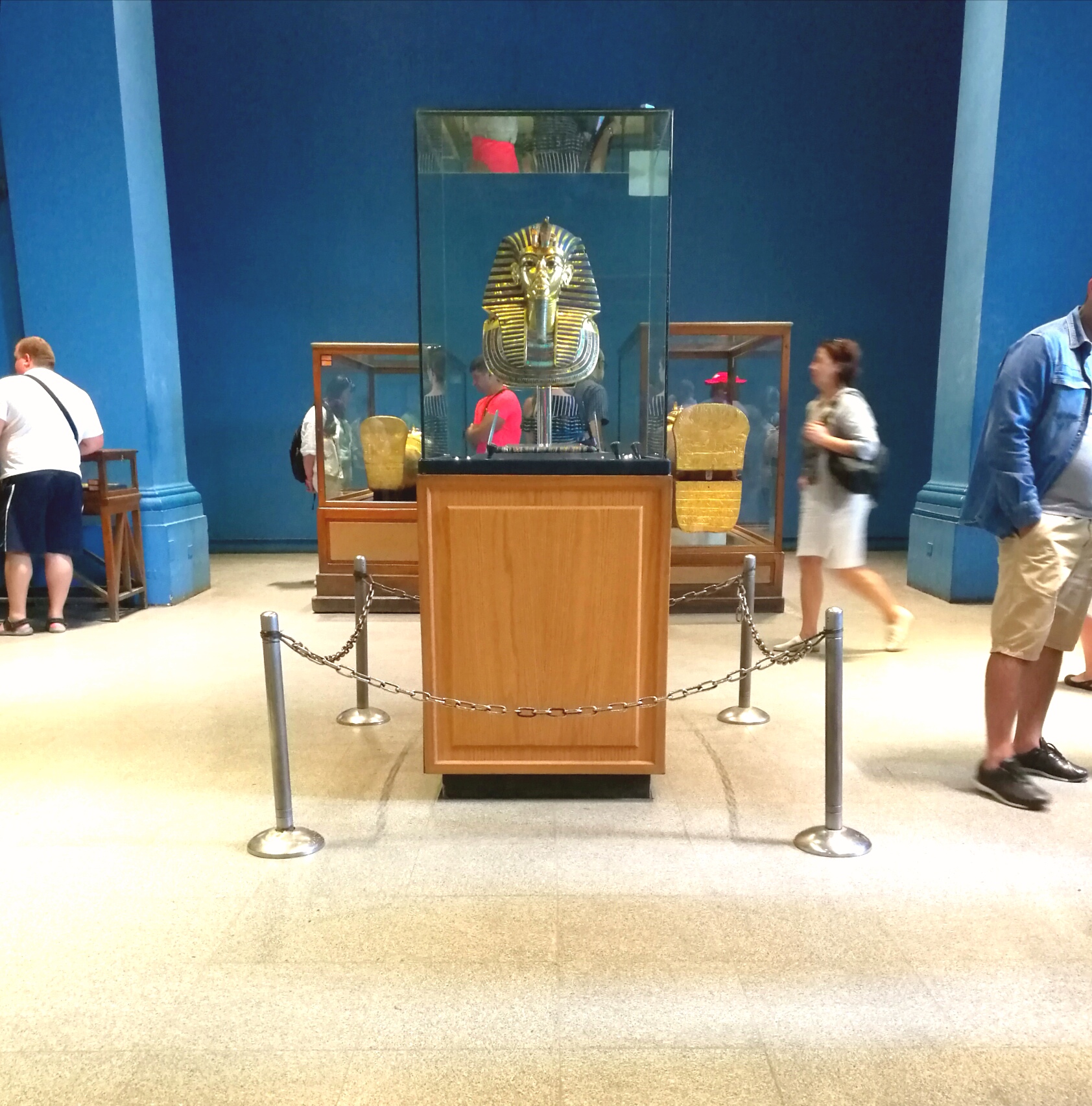
EGYPT · DISCOVERED 1922
Tutankhamun’s Tomb
By candlelight, Howard Carter glimpsed a royal burial chamber that had remained hidden for more than three millennia.
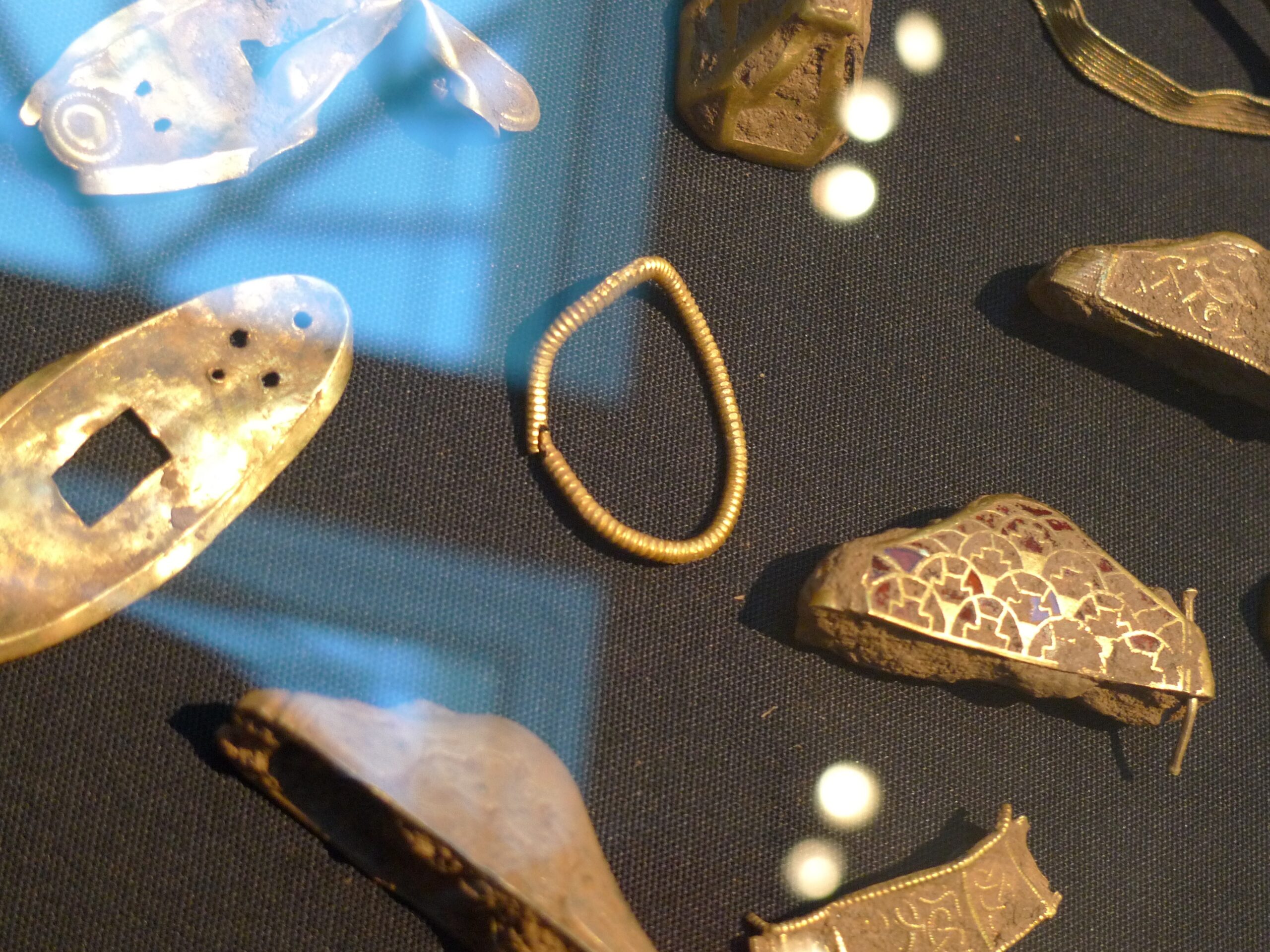
ENGLAND · DISCOVERED 2009
The Staffordshire Hoard
Gold and garnet fragments beneath a Staffordshire field revealed the craftsmanship of Anglo-Saxon warriors’ weapons.
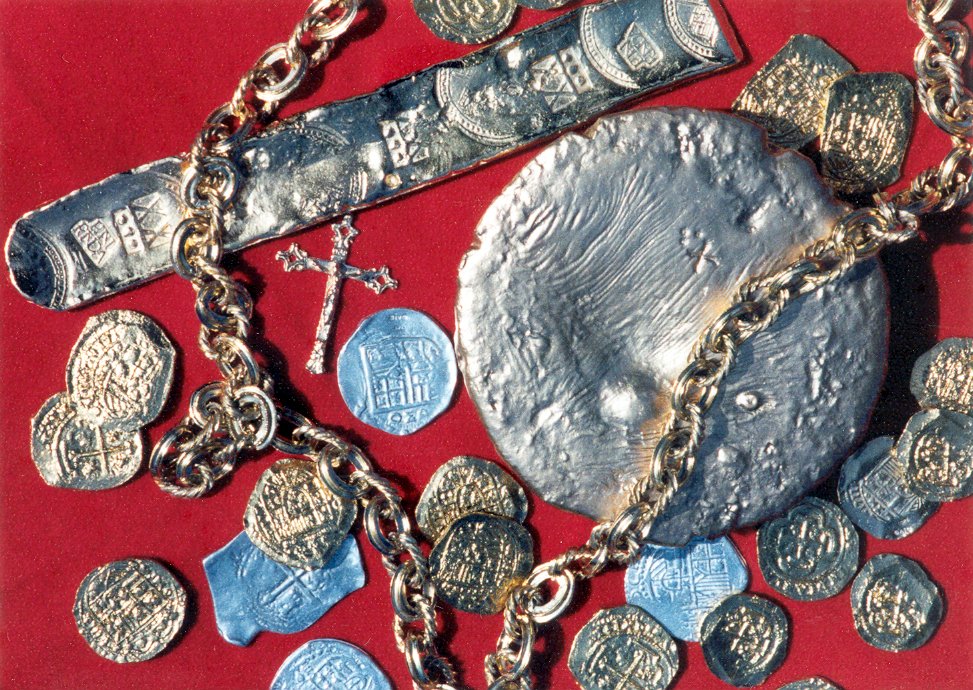
FLORIDA KEYS · MAIN CARGO RECOVERED 1985
The Atocha
Sixteen years of searching led divers to hundreds of silver bars from a Spanish galleon that sank in 1622.
Treasures Still Missing
Follow the evidence for a vanished masterpiece, a lost ship and an unconfirmed royal library.
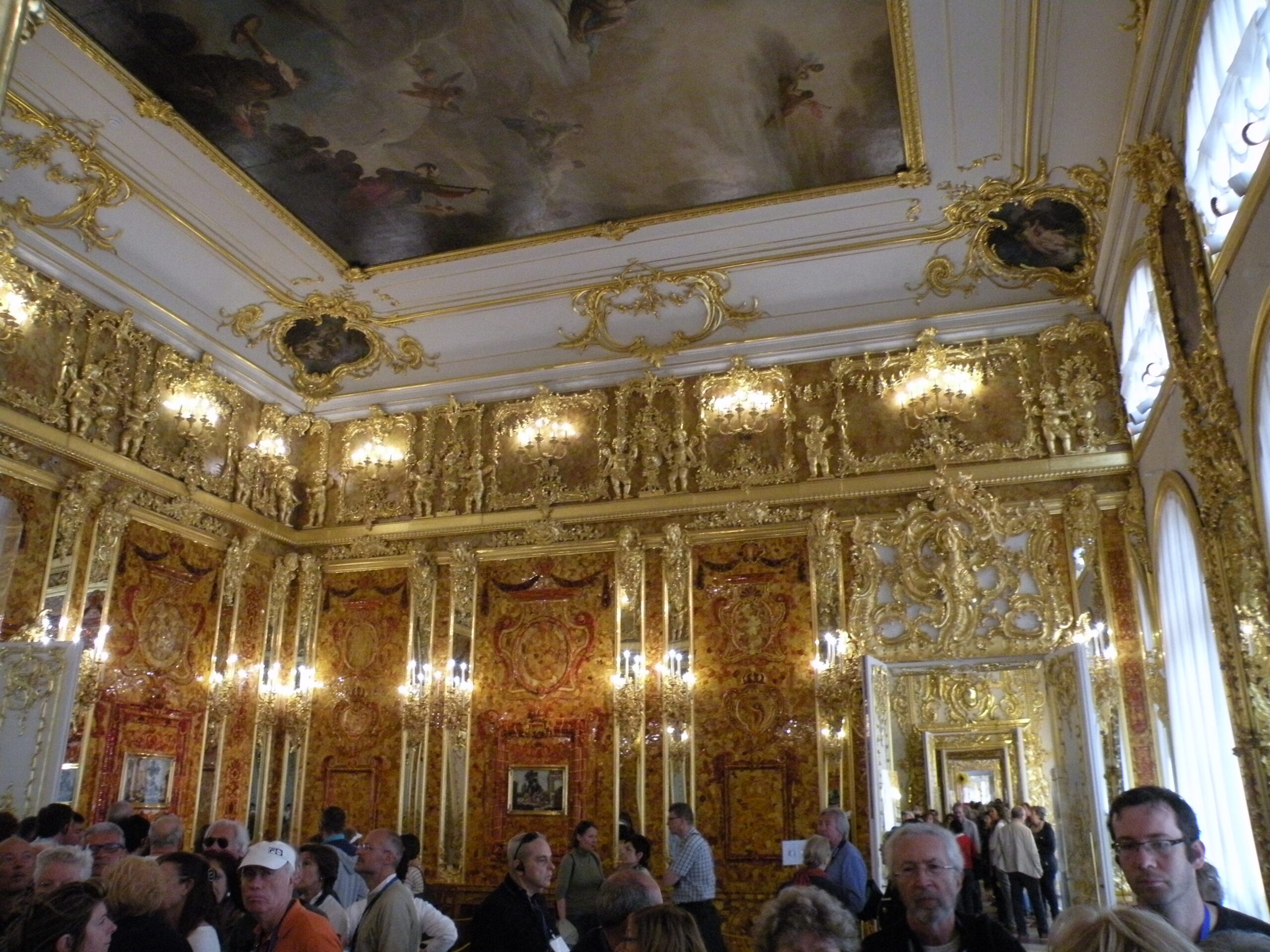
RUSSIA · ORIGINAL PANELS MISSING
The Amber Room
Taken from Catherine Palace during the Second World War, the amber panels disappeared. Their fate remains unresolved.
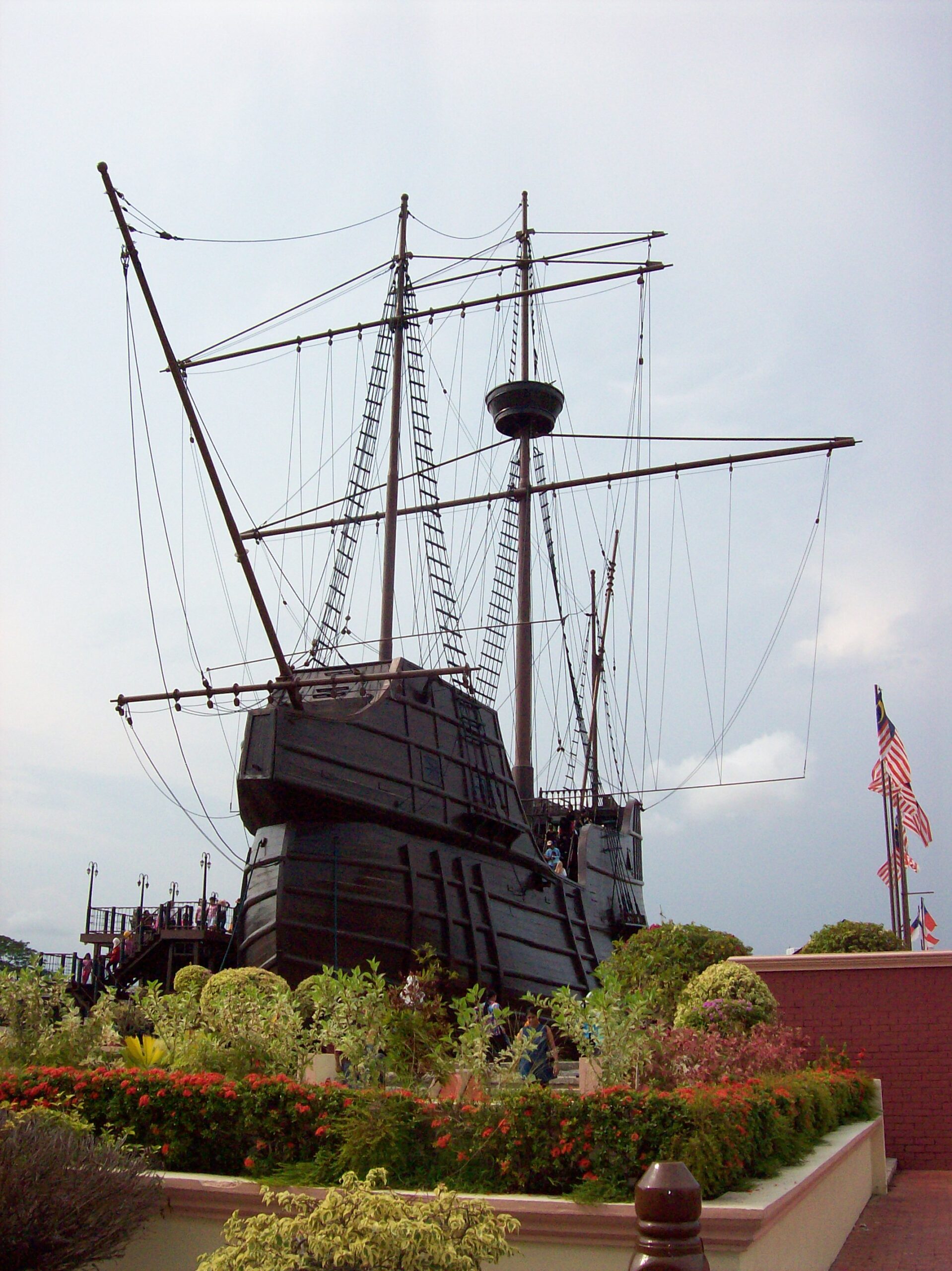
NEAR SUMATRA · WRECK SITE UNCONFIRMED
Flor de la Mar
A Portuguese ship sank in 1511 carrying spoils from Malacca. Its resting place and the full extent of its cargo remain uncertain.
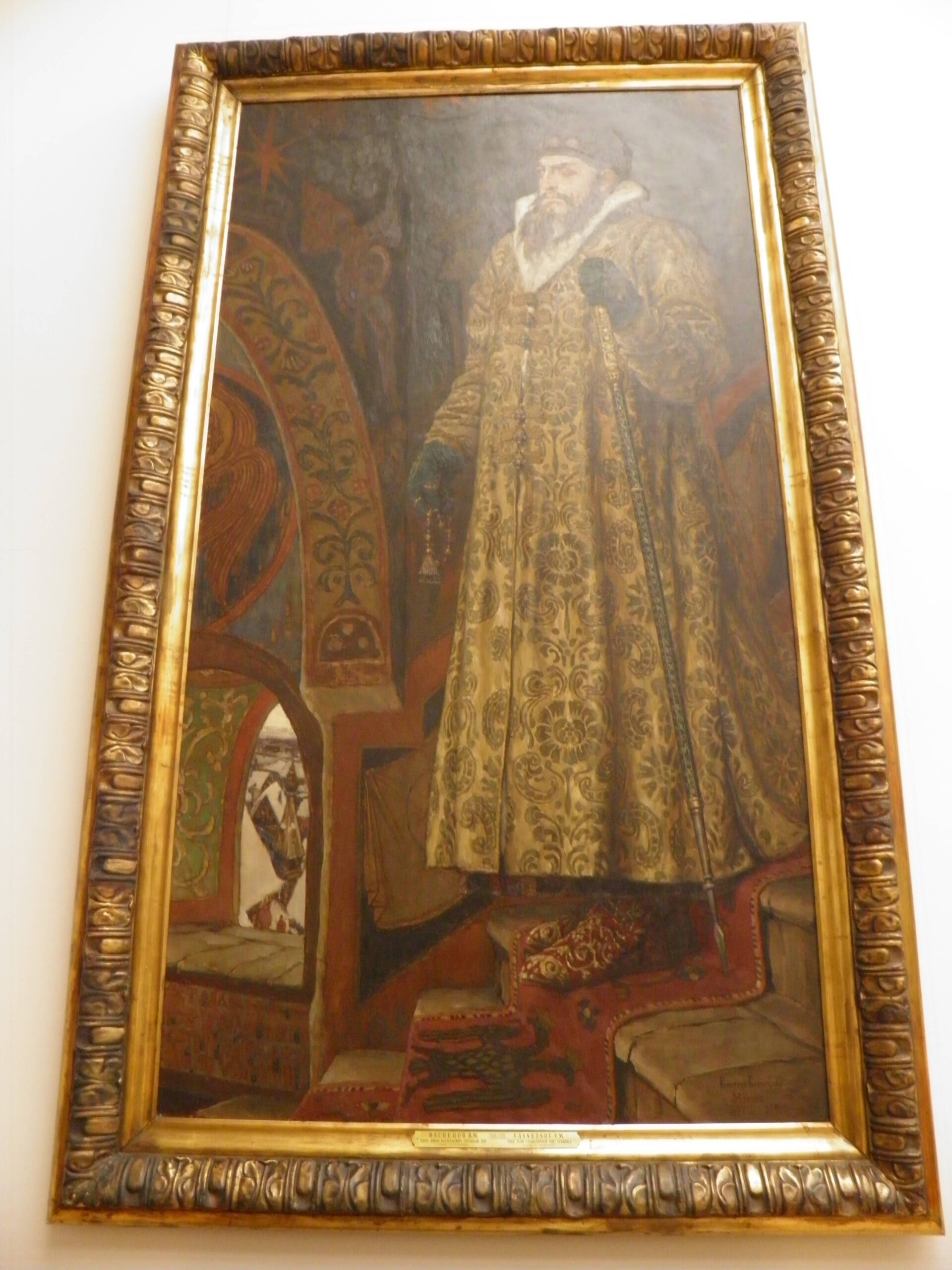
MOSCOW · COLLECTION UNCONFIRMED
Ivan the Terrible’s Lost Library
For centuries, stories have placed a cache of ancient manuscripts beneath the Kremlin. Historians still debate whether it ever existed as a single library.
Maps, Manuscripts & Myths
Read the surviving documents alongside the stories that grew up around them.
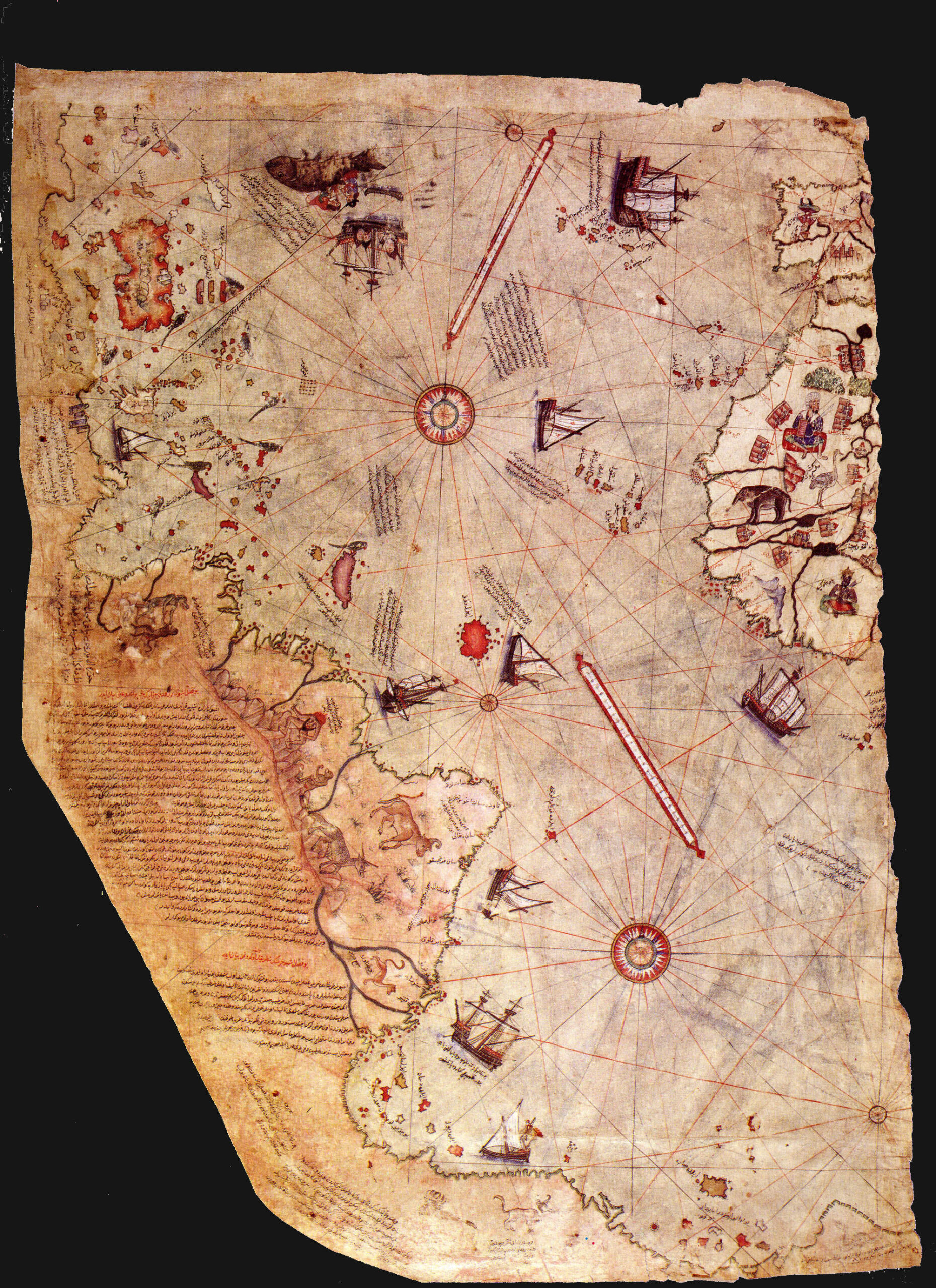
OTTOMAN WORLD · DRAWN 1513
The Piri Reis Map
An Ottoman admiral’s map preserves clues to lost Atlantic charts. One sharp bend in the coastline inspired the theory that it depicts an ice-free Antarctica.
And Now, Let’s Look for Treasure
Some searches begin with a ship’s record. Others start with a fragment of pottery or a story told for generations. This register follows the cases in our archive and the leads readers can investigate through public records, museum collections and published research.
Wrecks and searches with a public record
San José galleonLocated · archaeological research
The Spanish warship sank in 1708. Colombia announced its discovery in 2015. The national archaeology institute reports that a 2025 research phase recovered a bronze cannon, coins, porcelain and samples for study. Widely repeated price tags are speculative. Read Colombia’s research update →
The AtochaMain cargo recovered · further finds reported
The main deposit was found in 1985. The expedition reported recovering another silver bar in June 2026. The fate of the sterncastle and its contents remains uncertain. Read the expedition update →
Merchant RoyalDocumented wreck · site unconfirmed
The English merchant ship sank in 1641. No wreck identification is established here. Repeated claims about the weight and value of its cargo should be checked against original records. Explore the National Archives’ wreck research guide →
Flor de la MarDocumented loss · wreck site unconfirmed
The Portuguese ship went down in 1511 after the conquest of Malacca. Its wreck and the extent of the cargo it carried remain unresolved. Read the investigation →
Oak IslandLong-running search · treasure unverified
Generations of excavators have pursued the Money Pit story in Nova Scotia. Reported anomalies and artefacts have yet to establish a buried hoard, engineered flood traps or a Templar connection.
Amber RoomDocumented disappearance · fate unresolved
The original amber panels disappeared during the Second World War. The reconstructed room at Catherine Palace shows what was lost. The original’s fate remains an archival and historical question. Read the investigation →
Archaeology still to be studied
Ganweriwala and the Hakra settlementsPakistan · surveyed and partly excavated
Surface ceramics helped identify a major Indus settlement in Cholistan. A first excavation phase concluded in 2024. Much remains to be studied, including how the city related to settlements along the ancient Hakra corridor. Read the excavation report →
Pompeii and HerculaneumItaly · excavated in part
Unexcavated areas remain alongside long-studied streets, buildings and homes. Excavation can answer questions about Roman domestic life, while leaving deposits buried can preserve them for future work. Read about the conservation debate →
Other archaeological landscapesRegional research leads
Taxila and Gandhara, the Indus sites of Chanhudaro and Mehrgarh, the Rohri Hills and the Makran coast all offer questions about settlement, craft or trade. Rakhigarhi and Kalibangan, Ebla and the Mesopotamian tells, Megiddo and Hazor, Merv and Nisa, and the Silk Road oases also have different histories of survey and excavation. Treat these as reading leads and consult published site reports before making claims about unexcavated areas.
What a potsherd can tell usMethods · evidence in context
A sherd’s shape and decoration can help researchers compare periods. Its position in a recorded layer helps interpret the deposit. Microscopic analysis can suggest where its clay came from, and chemical residues may reveal what a vessel once held. The value is in the object and its archaeological context together.
Unresolved traditions and disputed claims
Genghis Khan’s burialBurial place unconfirmed · sacred landscape
Tradition associates his burial with Burkhan Khaldun. The exact location and any grave goods remain unverified. The landscape itself is a UNESCO World Heritage site with living spiritual significance. Read UNESCO’s site description →
The Copper ScrollSurviving document · caches unverified
This unusual Dead Sea Scroll is inscribed on copper. Its inventory-like descriptions have inspired attempts to match ancient place names and deposits, but the proposed caches remain unverified. Read the Metropolitan Museum’s catalogue →
Lima, Yamashita and Confederate goldDistinct stories · caches unverified
The Lima story places valuables on Cocos Island. Yamashita stories allege that wartime loot was hidden in the Philippines. Confederate gold stories concern missing funds at the end of the American Civil War. The existence and location of the alleged caches remain disputed.
Llanganatis and El DoradoAndean and Colombian traditions
The Llanganatis legend connects a hidden cache to Atahualpa’s ransom. El Dorado grew from accounts of a gilded ruler and ritual offerings into stories of a golden city. These traditions offer a way to study how documented events and later retellings became intertwined.
The alleged Nazi gold trainSearch claim · unverified
Reports of a buried wartime train near Wałbrzych attracted international attention. The publicised search did not establish that the train or a cargo of gold existed.
Pirate stories, the Templars and sacred relicsLegends and historical leads
Captain Kidd, Blackbeard and Olivier Levasseur appear in stories of hidden pirate wealth. The alleged Levasseur cryptogram has no verified link to a recovered hoard. Templar treasure stories and traditions about the Ark of the Covenant and Holy Grail are subjects for source research. The claims give no verified treasure locations.
Ivan the Terrible’s Lost LibraryCollection unconfirmed
The Libereya legend describes manuscripts said to have passed into Moscow’s royal collections. The library’s contents and existence as a single concealed collection remain disputed. Read the investigation →






