

Some experiments must leave the ground while their target is already disappearing. Solar flares can fade during the few minutes a sounding rocket needs to reach its observing altitude.
On 4 November 2026, NASA described an alert system that identifies a flare’s location and estimates how long it will remain observable. The system helped coordinate two rocket launches from Alaska in April 2024. An improved version supported a May 2026 flight that observed three small flares.
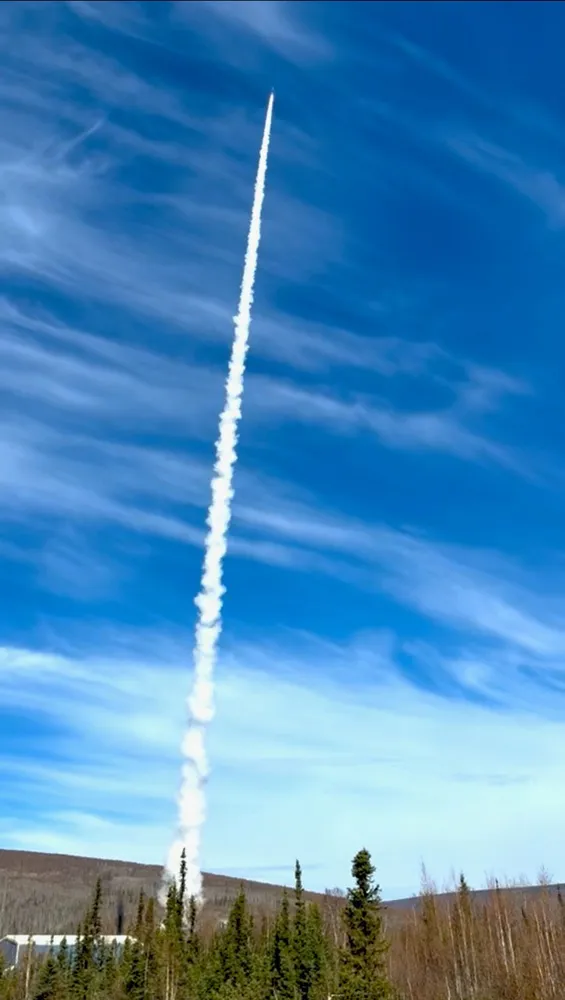
The FOXSI-5 rocket launched from Poker Flat Research Range on 14 May 2026. Sounding rockets offer only a short observing window before falling back, so the timing of a launch can determine whether the intended event remains visible.
The achievement concerns catching brief events in progress. How much solar physics have observers missed because their instruments reached the right height a few minutes too late?



