

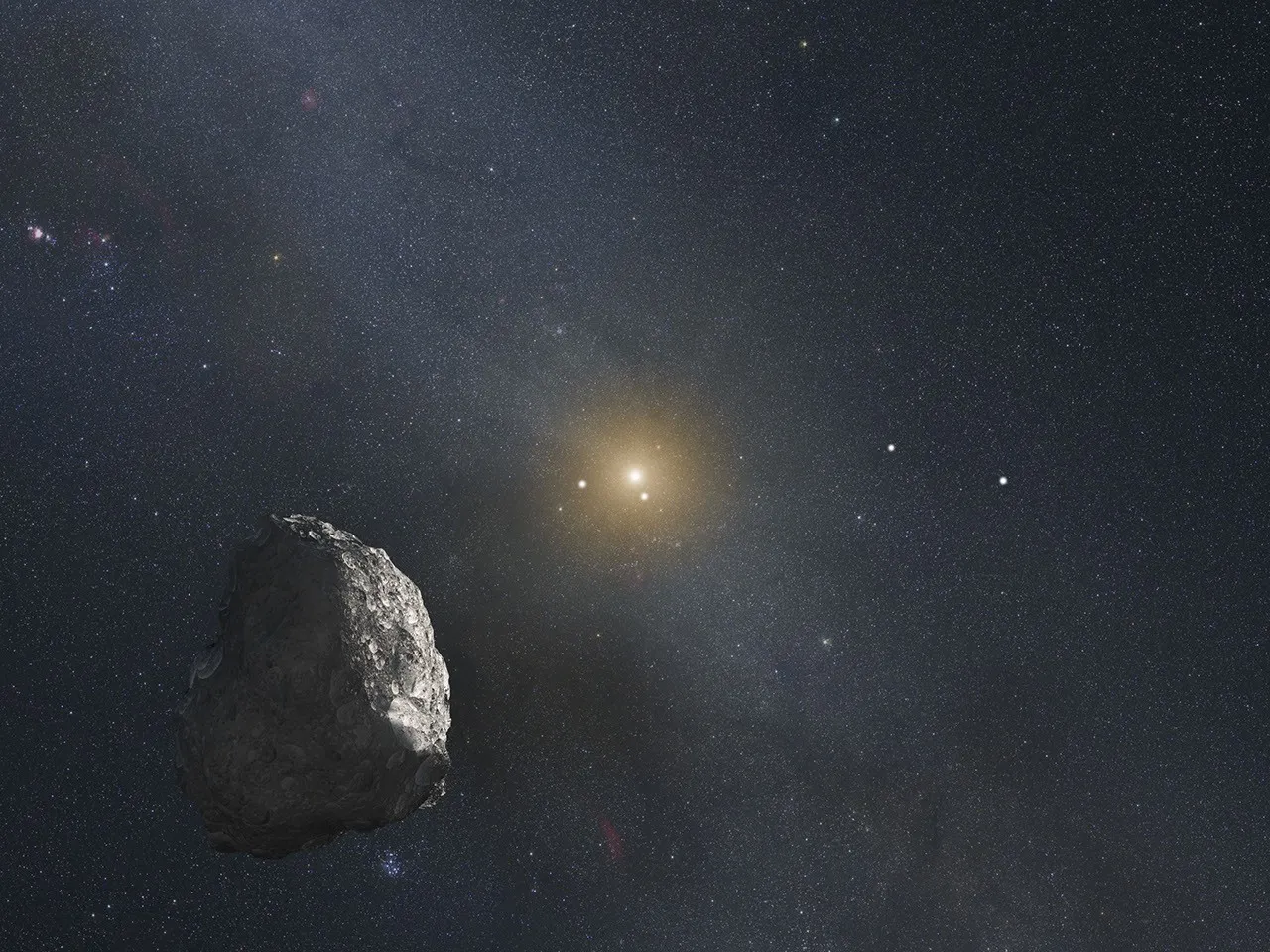
A handful of dust collected above Earth may preserve evidence of water from a region far beyond Neptune. In a report published on 18 November 2026, NASA described mineral and oxygen-isotope measurements pointing towards an ancient outer-solar-system ice reservoir.
Researchers examined 12 stratospheric particles collected by NASA’s ER-2 aircraft. Tracks left by energetic particles helped them infer a Kuiper Belt origin. Laboratory analysis identified minerals associated with water interacting with dust, alongside unusually heavy oxygen-isotope signatures.
The proposed origin is a scientific inference built from those measurements. The particles offer chemical evidence about ancient water, rather than a direct photograph of ice beyond Neptune.
How representative are twelve grains of a vast region? The enduring question is how material moved between the young solar system’s different neighbourhoods. Further samples could test how strongly giant planets separated those reservoirs.



