
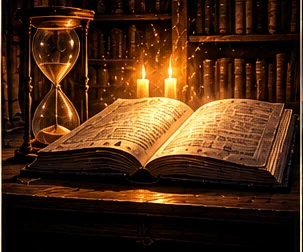

Across centuries, readers have opened sacred and esoteric books with a question that sounds almost impossible: can language do more than describe the world? In Jewish mystical traditions, especially texts associated with Sefer Yetzirah, letters and numbers become symbols through which creation can be contemplated. In Arabic intellectual and mystical traditions, the meanings and patterns of letters have also inspired elaborate systems of interpretation.
Why Letters Became Mysteries
Language is an astonishing invention. A few marks can preserve the voice of someone who died centuries ago. A written promise can alter a life. A name can carry a history across borders. It is easy to see why cultures developed stories about words that possess creative power. The extraordinary effects of language in human society invite metaphors that reach beyond ordinary speech.
But traditions should not be flattened into one secret doctrine. The Zohar, Sefer Yetzirah, Sufi metaphysics and later magical manuals arose in different settings, with different purposes and debates. They are part of intellectual and religious histories, not interchangeable proof that words can summon forces or physically remake the cosmos.
The Real Enchantment
There is a quieter mystery beneath the supernatural claims. When we read, symbols become images; images become feelings; feelings may change decisions. A sentence can travel through time and reshape the mind of a stranger. That is a genuine form of transformation, even without literal magic.
The deeper question is not whether an ancient alphabet hides a universal machine. It is why human beings have so persistently sensed that words stand at the boundary between what exists and what might yet exist. Every unwritten story begins on that boundary.
Further reading: Latin through the centuries · the Book of Soyga.




[…] reading: Ancient languages and mystical texts · Latin words that outlived […]