

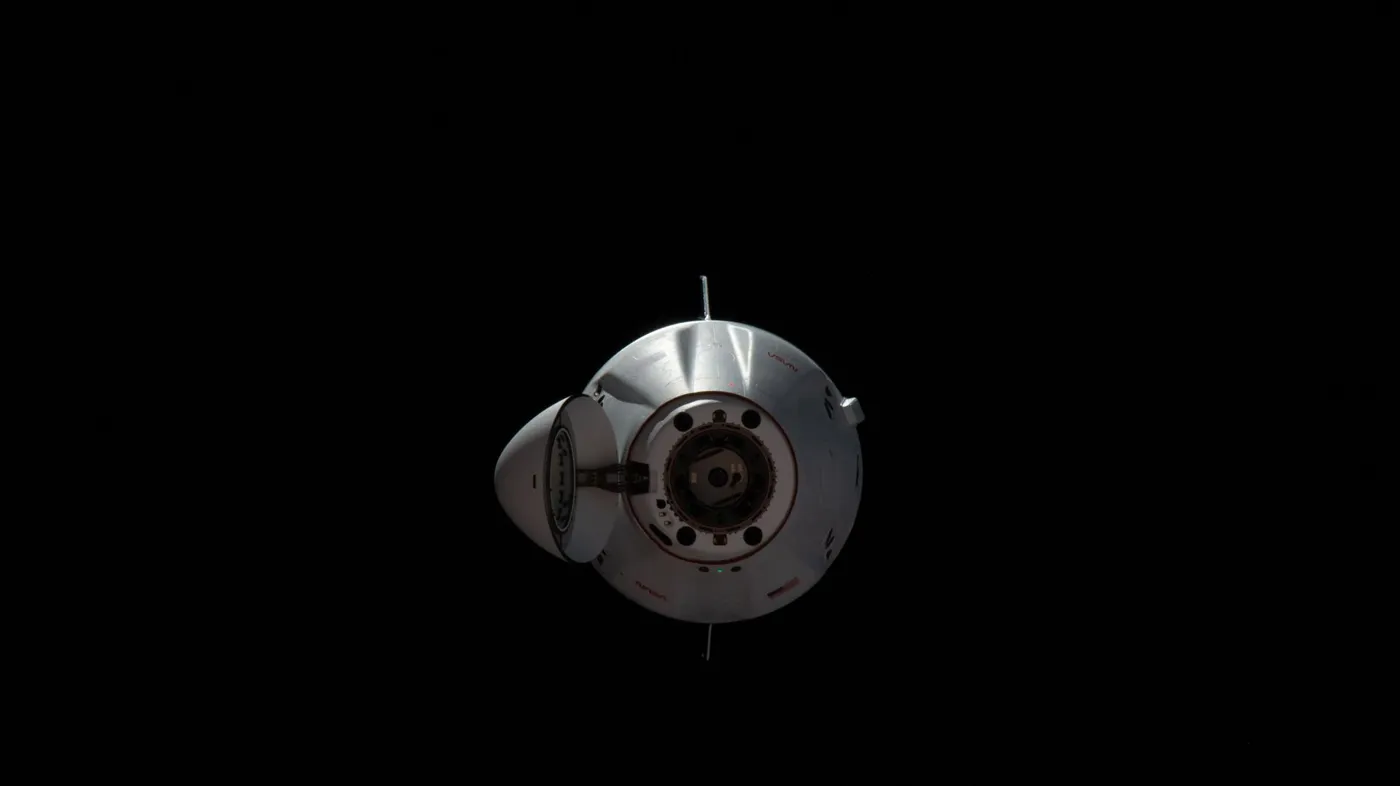
An orbital experiment can finish its flight while its analysis is only beginning. A returning cargo capsule brings materials within reach of terrestrial laboratories.
NASA reported that Dragon splashed down near Los Angeles on 21 November 2026 at 2:03 p.m. Pacific time, completing the agency’s thirty-fifth SpaceX resupply mission. It had departed the International Space Station the previous day.
The returned research included a bioprinted blood-vessel construct, treated tumour organoids and microbial samples. Researchers intend to analyse them to investigate biological responses to space conditions and questions relevant to health.
Those research goals are not clinical results. The return makes further examination possible, including techniques unavailable aboard the station. What can be learned only after a sample comes home? Space research depends on that link between a distant laboratory and the instruments waiting on Earth.
Source: NASA report and supporting research. Event and release dates are distinguished above.
Explore Dark News · Related: How a 3D map reveals individual trees



