

Two Ways of Understanding the Unseen
Stories about curses and unseen forces endure because they speak to deeply human experiences: vulnerability, unexplained events, injustice and the wish for control. Believers and skeptics often begin from different standards of evidence.
Why Some People Believe
Believers may point to religious texts, inherited traditions, personal experiences and events that seem impossible to explain. Islam, Christianity, Judaism and other traditions contain discussions of magic or supernatural beings, although interpretations differ widely within each faith. A religious reference and a scientifically demonstrated mechanism are different kinds of claims.
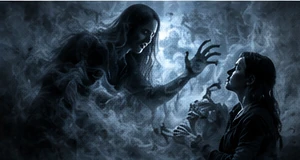
Why Others Remain Skeptical
Skeptics ask whether extraordinary effects can be observed independently, measured and reproduced under conditions that rule out coincidence, suggestion and fraud. Reliable scientific evidence has not established that curses or spells can suspend physical laws. This does not mean every personal experience is insincere; it means the explanation remains unproven.
Illness, Misinterpretation and Human Vulnerability
Seizures, sleep paralysis, psychosis, grief and anxiety have at times been interpreted through supernatural frameworks. These experiences warrant care and accurate assessment. It is neither fair nor medically sound to assume that illness proves possession or that a person accused of sorcery caused it.
The Business of Fear
Some individuals exploit fear by demanding money for removing alleged curses or threatening clients with harm unless they pay. Such claims can cause financial loss, isolation and delayed healthcare. Readers should be wary of guaranteed supernatural results and coercive demands.
What History Can Actually Tell Us
We can verify that people wrote incantations, carried amulets, conducted rituals and prosecuted alleged witches. We can study the cultural meanings of those actions and their consequences. The historical record does not, by itself, establish the supernatural powers attributed to them.
Image note: The illustrations in this article are AI-generated symbolic artworks, not documentary evidence of supernatural events.
Dark Page’s Position
Curiosity deserves room. So do evidence, compassion and intellectual humility. The real history of forbidden mysteries is fascinating enough without turning uncertainty into certainty—or fear into a business.



