

Where the Story Begins
The history of magic is older than the modern distinction between science, religion and superstition. Across ancient societies, people used prayers, protective objects, incantations and ritual specialists to confront illness, danger, uncertainty and death. Not every practice described as “magic” was regarded as evil by its practitioners. The category of “black magic” changed across cultures and centuries.
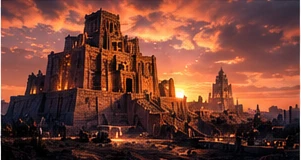
Mesopotamia: Protection and Fear
Texts from ancient Mesopotamia preserve incantations intended to ward off perceived curses, illness and hostile spirits. Babylonian scholars also studied celestial omens. These records demonstrate what people believed and practiced; they do not demonstrate that a spoken formula could override physical laws.
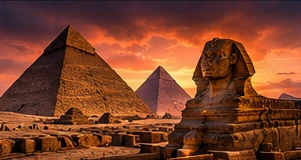
Egypt: The Power of Words
Ancient Egyptian traditions included protective spells and funerary writings. The texts commonly called the Book of the Dead were collections intended to help the deceased navigate the afterlife—not a single manual for controlling ghosts. Their surviving illustrations and manuscripts offer a remarkable window into ideas about death, judgment and renewal.
Greece, Rome and Beyond
Ancient Mediterranean sources describe amulets, curse tablets, divination and appeals to supernatural beings. South Asian traditions also preserve complex histories of ritual and esoteric thought. These diverse traditions should not be treated as one uniform system.
Europe’s Witch Trials
Early modern European witch persecutions, especially between the fifteenth and eighteenth centuries, brought accusations, imprisonment and executions. Historians estimate that tens of thousands were executed; victims were not all burned, and many trials occurred after the medieval period. The history is a warning about fear, coercive testimony and the dangers of accusing vulnerable people without evidence.
Image note: The accompanying illustrations are artistic interpretations, not photographs of historical artefacts.
Continue reading: Part II — Spells, Amulets, Grimoires and Ritual Traditions.



