
Dream Atlas
Explore dreams and nightmares through sleep science, symbolic traditions and reflective tools. Discover dream themes without treating them as predictions.
DARK PAGE · THE DREAM ATLAS
Dreams & Nightmares
A journey through the science of sleep, the language of symbols and the extraordinary worlds we create while dreaming.

Tell Us Your Dream
Describe your dream in your own words. The Dream Atlas offers a science-informed reflection alongside traditional symbolic interpretations. Neither is a prediction.
The local symbol guide is for reflection, not diagnosis. Please avoid including private identifying information.
Dream the Dream You Choose
Can you guide a dream before it begins? Dream incubation and lucid dreaming offer ways to explore this possibility, although no method guarantees a particular dream. Choose a calm setting you would like to experience: a garden, an ocean, a library or a distant star. Imagine it gently before sleep, and write down what you remember in the morning.
Never sacrifice healthy sleep to induce a lucid dream.
A Guide to Common Dream Symbols
These are possibilities, not fixed meanings. Your feelings and personal context always matter.
 Water or the Sea +
Science: recent emotion, sensory memories or stress may shape the scene. Tradition: water can represent renewal, uncertainty, abundance or change; the context matters.
 Falling +
Science: sleep sensations and everyday worries may contribute. Tradition: sometimes associated with instability or major transitions.
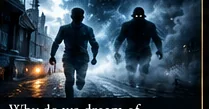 Being Chased +
Science: threat-related imagery can draw on memory and emotion. Tradition: sometimes read as an unresolved challenge or an avoided responsibility.
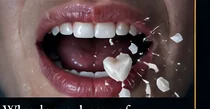 Teeth Falling Out +
Science: no proven fixed meaning; bodily sensations or worries may contribute. Tradition: readings differ greatly, sometimes involving family or vulnerability.
 Flying +
Science: imaginative movement and sensations during sleep may influence it. Tradition: often linked with freedom, aspiration or release.
 Snakes +
Science: personal experience and learned associations are important. Tradition: snakes may represent danger, transformation, healing or renewal depending on culture.
 Examinations +
Science: performance worries and familiar school memories may recur. Tradition: associated with tests, preparation and important choices.
 Houses and Doors +
Science: familiar places may combine memory and imagination. Tradition: a house may symbolise family life or the self; doors may represent opportunity.
What Are Dreams?
Dreams are experiences of images, thoughts, emotions and narratives during sleep. They can occur in several sleep stages, but the most vivid and memorable dreams often occur during rapid eye movement (REM) sleep. Scientists investigate their possible roles in memory processing, emotional regulation and the brain’s spontaneous activity; no single explanation has been established for all dreams.
Why Do We Have Nightmares?
Nightmares are distressing dreams that may wake the dreamer with fear, sadness or anxiety. Stress, trauma, irregular sleep and some medicines can influence them. Frightening media before bedtime may also affect some people. Heavy late meals may disturb sleep for some individuals, although they are not a proven universal cause of nightmares.
Dreams and Nightmares: The Difference
Ordinary dreams may be pleasant, neutral, strange or upsetting. Nightmares are particularly distressing and often lead to waking. Both can be remembered or forgotten. During a nightmare, someone may notice a racing heart or sweating, but these reactions are not present in every case.
Freud and Jung: Two Historic Perspectives
Sigmund Freud proposed that dreams could express unconscious wishes, while Carl Jung interpreted dream imagery in relation to personal growth and symbolic meaning. Both influenced psychology and literature, but neither provides a scientifically validated universal dictionary of dream meanings.
How to Read a Dream Responsibly
Begin with the feelings and circumstances surrounding the dream. A fall might suggest uncertainty to one dreamer and an exhilarating adventure to another. Being chased, losing teeth or missing an examination can reflect familiar anxieties, but none of these images has one scientifically established meaning. Compare your personal associations with cultural interpretations rather than treating a symbol as a prediction.
Traditional Dream Interpretation
Dream interpretation has a long history in Islamic, South Asian, Greek, Chinese and other traditions. Water, journeys, animals and houses may carry different symbolic meanings across texts and communities. These readings are part of cultural and literary heritage, not reliable forecasts of health, death, marriage or future events.
Can You Choose What You Dream? Lucid Dreaming
Sometimes people become aware that they are dreaming: this is called lucid dreaming. Some can influence the dream’s direction, although complete control is not guaranteed. Before sleeping, gently imagine a place or story you would enjoy dreaming about and write down a simple intention. Keeping a dream journal may help you notice recurring themes. Avoid sleep deprivation, repeated forced awakenings or any practice that harms sleep in pursuit of lucid dreams.
Gentler Nights: Practical Sleep Habits
Keep a reasonably consistent sleep schedule, create a quiet and comfortable bedroom, and wind down before bed. Reduce stimulating screen use if it keeps you awake; avoid late caffeine if you are sensitive to it. Reading, calm music or slow breathing may help. If nightmares are frequent, distressing or linked to trauma, seek guidance from a qualified healthcare professional.
A Dream Is Not a Verdict
Dreams can inspire reflection and storytelling. They cannot reliably diagnose illness or predict future events. The dreamer’s own experience matters more than any automatic interpretation.
Dark Page: curiosity without certainty, tradition without superstition, science without losing wonder.
DARK PAGE · COMPARATIVE RELIGIONS
Dreams Across the World’s Religions and Philosophies
For thousands of years, dreams have been interpreted as stories, moral reflections, spiritual experiences, omens and mysteries of consciousness. The traditions below do not all make the same claims, and there is no single dream dictionary accepted by every follower of any religion.
Judaism
The Hebrew Bible records Joseph interpreting dreams in Genesis 37–41 and Daniel interpreting royal dreams in Daniel 2 and 4. Rabbinic discussions in Berakhot 55–57 examine dream interpretation, ambiguity and the influence of interpretation itself. These texts contain multiple voices rather than a single Jewish dream dictionary.
Primary reading: Genesis 37–41; Daniel 2, 4; Babylonian Talmud, Berakhot 55a–57b
Christianity
Dreams play important narrative roles in the Bible: Joseph’s experiences in Genesis, Daniel’s visions, and dreams surrounding Joseph and the Magi in Matthew 1–2. Christian traditions differ in how they assess private dreams. Biblical narratives should not be treated as a universal guide for predicting personal events.
Primary reading: Genesis 40–41; Daniel 2; Matthew 1:20, 2:12–22
Islam
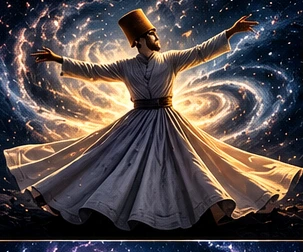
The Qur’an presents dreams and their interpretation in the story of Yusuf (Joseph), including the dreams of prisoners and a ruler. A report in Sahih Muslim distinguishes good dreams, distressing dreams and dreams connected to one’s own thoughts. Later dream manuals developed diverse interpretive methods; popular attribution of some manuals to Ibn Sirin requires scholarly caution.
Primary reading: Qur’an, Surah Yusuf 12; Sahih Muslim 2263a; later manuals associated with al-Nabulsi and Ibn Shahin
Hindu Traditions

Upanishadic texts examine dreaming as a state of consciousness and a setting for philosophical questions about the self. Later Indian traditions also developed omen and dream-symbol literature, but those sources should be identified individually rather than blended into one authoritative Hindu interpretation.
Primary reading: Brihadaranyaka Upanishad 4.3; Mandukya Upanishad
Buddhist Traditions

Buddhist narratives and contemplative traditions sometimes discuss dreams, illusion and awareness. Different Buddhist schools interpret dreams differently, and dream yoga is especially associated with particular Tibetan Buddhist lineages. Dream imagery is not a universal diagnostic or predictive system.
Primary reading: Buddhist dream narratives; Tibetan dream-yoga traditions
Chinese Confucian Heritage
Chinese dream culture includes the Duke of Zhou dream-book tradition, which is popularly linked to the name Zhougong. The received dream dictionaries and their attributions need historical examination. Confucius’ remark about no longer dreaming of the Duke of Zhou is distinct from a complete Confucian theory of dream symbols.
Primary reading: Analects 7.5; later Zhougong dream-book traditions
Daoist Philosophy
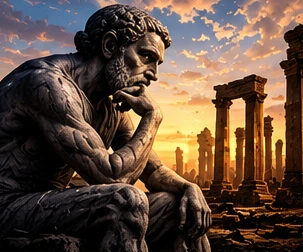
Zhuangzi’s famous butterfly dream raises a question about identity and the boundary between waking and dreaming. It belongs to Daoist philosophy, not to Confucianism. It is primarily a philosophical parable, not a predictive symbol chart.
Primary reading: Zhuangzi, chapter 2, Discussion on Making All Things Equal
Sikh Traditions

Sikh teachings emphasise spiritual awareness, ethical life and remembrance of the divine. Dreams may appear in poetry and everyday culture, but it would be misleading to invent a fixed Sikh dream dictionary or claim every dream is a spiritual message.
Primary reading: Guru Granth Sahib; interpretive work must cite the precise shabad or passage
Indigenous and Oral Traditions

Dreams hold diverse roles in many Indigenous communities, including storytelling, spiritual relationships and communal knowledge. No single Indigenous interpretation exists. Accounts should be developed with community-specific sources and attention to cultural ownership, rather than generalising sacred traditions.
Primary reading: Community-specific primary sources and scholarship required
How We Compare Interpretations
For each dream symbol, the long-term aim is to show the exact tradition, original source, passage reference, historical context and alternative readings alongside a scientific perspective. A symbol without a verified source will be labelled as general folklore rather than assigned to a religion. Faith-based interpretations are presented respectfully as beliefs and textual traditions, not as scientifically established forecasts.
What This Library Does Not Claim
We do not claim to have catalogued every religious dream text. We will not invent religious rulings, treat sacred stories as generic predictions, or attribute Daoist ideas to Confucianism. Source-specific symbol entries will be added only after their passages have been checked.
A Responsible Method for Comparing Dream Traditions
- Record the dream: Write the actual events, feelings and sensory details without embellishment.
- Identify personal context: Consider recent experiences, memories, health and the emotional tone of the dream.
- Choose a tradition: Compare Jewish, Christian, Islamic, Hindu, Buddhist, Confucian, Daoist or other interpretations only where a specific text or community source supports the reading.
- Check the source: Distinguish a scriptural dream narrative from later folklore or a modern internet symbol list.
- Keep interpretations provisional: No symbolic reading establishes a diagnosis, predicts death or proves an impending event.
Editorial principle: where a tradition does not offer a verifiable reading for a symbol, the atlas will say “no source-specific interpretation established” rather than invent one.
Three Documented Dream Narratives
Judaism: Berakhot 55b
Rabbinic discussion records multiple interpretations of one dream and debates the relationship between interpretation and the dream itself. Read the passage.
Islam: Qur’an 12:43–49
In the story of Yusuf, the ruler dreams of seven well-fed cattle and seven lean cattle, and of green and dry grain. Yusuf interprets the dream in its narrative context as years of plenty and scarcity. This is not a universal prediction for cattle dreams. Read the passage.
Christianity: Matthew 2:12
The Magi are warned in a dream not to return to Herod. The passage illustrates a specific sacred narrative, not a rule that all travel dreams are warnings. Read the passage.
Editorial note: religious dream narratives are not interchangeable with universal symbol dictionaries.
DARK PAGE · WORLD LIBRARY OF DREAMS
The Books That Tried to Explain the Night
A growing guide to dream interpretation across history, culture and science. It cannot claim to reproduce every dream book ever written. Historical interpretations are cultural records, not verified predictions.
Artemidorus and the Ancient Mediterranean
Artemidorus of Daldis compiled the five-book Oneirocritica around the second century CE. His approach considered the dreamer’s circumstances and social position. The work records ancient interpretation, not demonstrated predictive power. Explore the source
Arabic and Islamic Dream Literature
The classical literature includes Abd al-Ghani al-Nabulsi’s Ta’tir al-Anam and works associated with Ibn Shahin. Large dream dictionaries are also popularly attributed to Ibn Sirin, but that attribution is not established. Any exact symbol meaning needs verification against a particular edition and passage. Explore the source
South Asian and East Asian Dream Traditions
Indian, Chinese and Buddhist traditions have explored dreams through symbolism, spiritual practice and reflections on ordinary life. They are distinct traditions, not one interchangeable dictionary. Specific interpretations should be attributed to identifiable texts rather than internet folklore.
Freud, Jung and Psychological Interpretation
Freud’s The Interpretation of Dreams offered an influential model of unconscious wishes and free association. Jung emphasised symbolic reflection and personal context. Their theories matter historically, but they do not establish a scientifically validated universal symbol code. Explore the source
The Neuroscience of Dreaming
Dreams can occur in multiple stages of sleep; vivid dreams often arise in REM sleep. Research continues into emotion, memory and the purposes of dreaming. Recurring distressing nightmares can be addressed with evidence-based professional care. Explore the source
How to Use This Dream Library
Record the dream, its feelings, the preceding day’s events and your own associations. Compare a scientific reflection with a traditional motif. Do not use a dream to diagnose illness or make predictions about death, marriage or financial outcomes.
Showing all 57 symbols.
Dream Symbol Encyclopaedia: 57 Entries
Each symbol has a reflective psychological lens and a broad traditional motif. These are editorial summaries, not quotations from named historical authors.
River

Psychological lens: Consider recent experiences, personal memories and the emotion attached to this image; there is no proven fixed meaning.
Traditional motif: In some symbolic readings, river may suggest movement or change. Traditions differ, and this is not a prediction.
Ocean

Psychological lens: Consider recent experiences, personal memories and the emotion attached to this image; there is no proven fixed meaning.
Traditional motif: In some symbolic readings, ocean may suggest uncertainty or abundance. Traditions differ, and this is not a prediction.
Rain
Psychological lens: Consider recent experiences, personal memories and the emotion attached to this image; there is no proven fixed meaning.
Traditional motif: In some symbolic readings, rain may suggest renewal or difficulty. Traditions differ, and this is not a prediction.
Fire

Psychological lens: Consider recent experiences, personal memories and the emotion attached to this image; there is no proven fixed meaning.
Traditional motif: In some symbolic readings, fire may suggest power or purification. Traditions differ, and this is not a prediction.
Moon
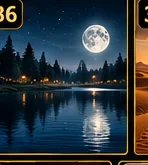
Psychological lens: Consider recent experiences, personal memories and the emotion attached to this image; there is no proven fixed meaning.
Traditional motif: In some symbolic readings, moon may suggest cycles or longing. Traditions differ, and this is not a prediction.
Sun

Psychological lens: Consider recent experiences, personal memories and the emotion attached to this image; there is no proven fixed meaning.
Traditional motif: In some symbolic readings, sun may suggest clarity or vitality. Traditions differ, and this is not a prediction.
Stars

Psychological lens: Consider recent experiences, personal memories and the emotion attached to this image; there is no proven fixed meaning.
Traditional motif: In some symbolic readings, stars may suggest guidance or ambition. Traditions differ, and this is not a prediction.
Mountain

Psychological lens: Consider recent experiences, personal memories and the emotion attached to this image; there is no proven fixed meaning.
Traditional motif: In some symbolic readings, mountain may suggest endurance or obstacles. Traditions differ, and this is not a prediction.
Forest
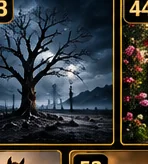
Psychological lens: Consider recent experiences, personal memories and the emotion attached to this image; there is no proven fixed meaning.
Traditional motif: In some symbolic readings, forest may suggest the unknown. Traditions differ, and this is not a prediction.
Garden

Psychological lens: Consider recent experiences, personal memories and the emotion attached to this image; there is no proven fixed meaning.
Traditional motif: In some symbolic readings, garden may suggest growth or peace. Traditions differ, and this is not a prediction.
Tree

Psychological lens: Consider recent experiences, personal memories and the emotion attached to this image; there is no proven fixed meaning.
Traditional motif: In some symbolic readings, tree may suggest roots or continuity. Traditions differ, and this is not a prediction.
Flowers

Psychological lens: Consider recent experiences, personal memories and the emotion attached to this image; there is no proven fixed meaning.
Traditional motif: In some symbolic readings, flowers may suggest affection or impermanence. Traditions differ, and this is not a prediction.
Bird

Psychological lens: Consider recent experiences, personal memories and the emotion attached to this image; there is no proven fixed meaning.
Traditional motif: In some symbolic readings, bird may suggest freedom or messages. Traditions differ, and this is not a prediction.
Horse

Psychological lens: Consider recent experiences, personal memories and the emotion attached to this image; there is no proven fixed meaning.
Traditional motif: In some symbolic readings, horse may suggest strength or travel. Traditions differ, and this is not a prediction.
Dog

Psychological lens: Consider recent experiences, personal memories and the emotion attached to this image; there is no proven fixed meaning.
Traditional motif: In some symbolic readings, dog may suggest loyalty or protection. Traditions differ, and this is not a prediction.
Cat

Psychological lens: Consider recent experiences, personal memories and the emotion attached to this image; there is no proven fixed meaning.
Traditional motif: In some symbolic readings, cat may suggest independence or ambiguity. Traditions differ, and this is not a prediction.
Lion

Psychological lens: Consider recent experiences, personal memories and the emotion attached to this image; there is no proven fixed meaning.
Traditional motif: In some symbolic readings, lion may suggest courage or authority. Traditions differ, and this is not a prediction.
Snake

Psychological lens: Consider recent experiences, personal memories and the emotion attached to this image; there is no proven fixed meaning.
Traditional motif: In some symbolic readings, snake may suggest danger or renewal. Traditions differ, and this is not a prediction.
Spider

Psychological lens: Consider recent experiences, personal memories and the emotion attached to this image; there is no proven fixed meaning.
Traditional motif: In some symbolic readings, spider may suggest patience or entanglement. Traditions differ, and this is not a prediction.
Fish

Psychological lens: Consider recent experiences, personal memories and the emotion attached to this image; there is no proven fixed meaning.
Traditional motif: In some symbolic readings, fish may suggest sustenance or abundance. Traditions differ, and this is not a prediction.
Bridge

Psychological lens: Consider recent experiences, personal memories and the emotion attached to this image; there is no proven fixed meaning.
Traditional motif: In some symbolic readings, bridge may suggest transition. Traditions differ, and this is not a prediction.
Road

Psychological lens: Consider recent experiences, personal memories and the emotion attached to this image; there is no proven fixed meaning.
Traditional motif: In some symbolic readings, road may suggest life’s journey. Traditions differ, and this is not a prediction.
Train

Psychological lens: Consider recent experiences, personal memories and the emotion attached to this image; there is no proven fixed meaning.
Traditional motif: In some symbolic readings, train may suggest departure. Traditions differ, and this is not a prediction.
Airplane

Psychological lens: Consider recent experiences, personal memories and the emotion attached to this image; there is no proven fixed meaning.
Traditional motif: In some symbolic readings, airplane may suggest ambition or distance. Traditions differ, and this is not a prediction.
Ship

Psychological lens: Consider recent experiences, personal memories and the emotion attached to this image; there is no proven fixed meaning.
Traditional motif: In some symbolic readings, ship may suggest travel or uncertainty. Traditions differ, and this is not a prediction.
Key

Psychological lens: Consider recent experiences, personal memories and the emotion attached to this image; there is no proven fixed meaning.
Traditional motif: In some symbolic readings, key may suggest access or secrecy. Traditions differ, and this is not a prediction.
Door
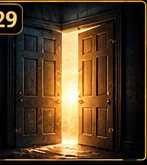
Psychological lens: Consider recent experiences, personal memories and the emotion attached to this image; there is no proven fixed meaning.
Traditional motif: In some symbolic readings, door may suggest opportunity or boundaries. Traditions differ, and this is not a prediction.
Mirror

Psychological lens: Consider recent experiences, personal memories and the emotion attached to this image; there is no proven fixed meaning.
Traditional motif: In some symbolic readings, mirror may suggest identity or self-examination. Traditions differ, and this is not a prediction.
Clock
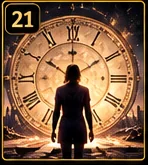
Psychological lens: Consider recent experiences, personal memories and the emotion attached to this image; there is no proven fixed meaning.
Traditional motif: In some symbolic readings, clock may suggest urgency or change. Traditions differ, and this is not a prediction.
Book
Psychological lens: Consider recent experiences, personal memories and the emotion attached to this image; there is no proven fixed meaning.
Traditional motif: In some symbolic readings, book may suggest knowledge or news. Traditions differ, and this is not a prediction.
Letter
Psychological lens: Consider recent experiences, personal memories and the emotion attached to this image; there is no proven fixed meaning.
Traditional motif: In some symbolic readings, letter may suggest communication or disclosure. Traditions differ, and this is not a prediction.
Money

Psychological lens: Consider recent experiences, personal memories and the emotion attached to this image; there is no proven fixed meaning.
Traditional motif: In some symbolic readings, money may suggest resources or responsibility. Traditions differ, and this is not a prediction.
Gold

Psychological lens: Consider recent experiences, personal memories and the emotion attached to this image; there is no proven fixed meaning.
Traditional motif: In some symbolic readings, gold may suggest wealth or temptation. Traditions differ, and this is not a prediction.
Wedding

Psychological lens: Consider recent experiences, personal memories and the emotion attached to this image; there is no proven fixed meaning.
Traditional motif: In some symbolic readings, wedding may suggest union or transition. Traditions differ, and this is not a prediction.
Baby
Psychological lens: Consider recent experiences, personal memories and the emotion attached to this image; there is no proven fixed meaning.
Traditional motif: In some symbolic readings, baby may suggest beginnings or care. Traditions differ, and this is not a prediction.
Death

Psychological lens: Consider recent experiences, personal memories and the emotion attached to this image; there is no proven fixed meaning.
Traditional motif: In some symbolic readings, death may suggest endings or transformation, not literal death. Traditions differ, and this is not a prediction.
Teeth

Psychological lens: Consider recent experiences, personal memories and the emotion attached to this image; there is no proven fixed meaning.
Traditional motif: In some symbolic readings, teeth may suggest vulnerability or family concerns. Traditions differ, and this is not a prediction.
Hair

Psychological lens: Consider recent experiences, personal memories and the emotion attached to this image; there is no proven fixed meaning.
Traditional motif: In some symbolic readings, hair may suggest identity or status. Traditions differ, and this is not a prediction.
Clothes

Psychological lens: Consider recent experiences, personal memories and the emotion attached to this image; there is no proven fixed meaning.
Traditional motif: In some symbolic readings, clothes may suggest self-presentation. Traditions differ, and this is not a prediction.
House

Psychological lens: Consider recent experiences, personal memories and the emotion attached to this image; there is no proven fixed meaning.
Traditional motif: In some symbolic readings, house may suggest family or personal life. Traditions differ, and this is not a prediction.
Stairs

Psychological lens: Consider recent experiences, personal memories and the emotion attached to this image; there is no proven fixed meaning.
Traditional motif: In some symbolic readings, stairs may suggest progress or difficulty. Traditions differ, and this is not a prediction.
Exam
Psychological lens: Consider recent experiences, personal memories and the emotion attached to this image; there is no proven fixed meaning.
Traditional motif: In some symbolic readings, exam may suggest preparation or challenge. Traditions differ, and this is not a prediction.
Falling

Psychological lens: Consider recent experiences, personal memories and the emotion attached to this image; there is no proven fixed meaning.
Traditional motif: In some symbolic readings, falling may suggest instability or change. Traditions differ, and this is not a prediction.
Flying

Psychological lens: Consider recent experiences, personal memories and the emotion attached to this image; there is no proven fixed meaning.
Traditional motif: In some symbolic readings, flying may suggest freedom or aspiration. Traditions differ, and this is not a prediction.
Chase

Psychological lens: Consider recent experiences, personal memories and the emotion attached to this image; there is no proven fixed meaning.
Traditional motif: In some symbolic readings, chase may suggest an unresolved challenge. Traditions differ, and this is not a prediction.
Being Lost
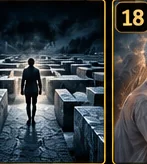
Psychological lens: Consider recent experiences, personal memories and the emotion attached to this image; there is no proven fixed meaning.
Traditional motif: In some symbolic readings, being lost may suggest searching or uncertainty. Traditions differ, and this is not a prediction.
Dancing

Psychological lens: Consider recent experiences, personal memories and the emotion attached to this image; there is no proven fixed meaning.
Traditional motif: In some symbolic readings, dancing may suggest celebration or change. Traditions differ, and this is not a prediction.
Music

Psychological lens: Consider recent experiences, personal memories and the emotion attached to this image; there is no proven fixed meaning.
Traditional motif: In some symbolic readings, music may suggest harmony or longing. Traditions differ, and this is not a prediction.
Silence

Psychological lens: Consider recent experiences, personal memories and the emotion attached to this image; there is no proven fixed meaning.
Traditional motif: In some symbolic readings, silence may suggest peace or isolation. Traditions differ, and this is not a prediction.
Storm

Psychological lens: Consider recent experiences, personal memories and the emotion attached to this image; there is no proven fixed meaning.
Traditional motif: In some symbolic readings, storm may suggest conflict or upheaval. Traditions differ, and this is not a prediction.
Snow

Psychological lens: Consider recent experiences, personal memories and the emotion attached to this image; there is no proven fixed meaning.
Traditional motif: In some symbolic readings, snow may suggest stillness or hardship. Traditions differ, and this is not a prediction.
Desert

Psychological lens: Consider recent experiences, personal memories and the emotion attached to this image; there is no proven fixed meaning.
Traditional motif: In some symbolic readings, desert may suggest endurance or spiritual searching. Traditions differ, and this is not a prediction.
Cave
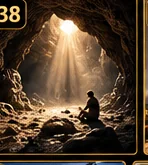
Psychological lens: Consider recent experiences, personal memories and the emotion attached to this image; there is no proven fixed meaning.
Traditional motif: In some symbolic readings, cave may suggest concealment or introspection. Traditions differ, and this is not a prediction.
School

Psychological lens: Consider recent experiences, personal memories and the emotion attached to this image; there is no proven fixed meaning.
Traditional motif: In some symbolic readings, school may suggest learning or testing. Traditions differ, and this is not a prediction.
Hospital

Psychological lens: Consider recent experiences, personal memories and the emotion attached to this image; there is no proven fixed meaning.
Traditional motif: In some symbolic readings, hospital may suggest healing or vulnerability. Traditions differ, and this is not a prediction.
Unknown Person
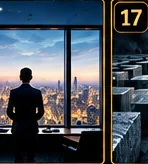
Psychological lens: Consider recent experiences, personal memories and the emotion attached to this image; there is no proven fixed meaning.
Traditional motif: In some symbolic readings, unknown person may suggest an unfamiliar situation. Traditions differ, and this is not a prediction.
Ancestor

Psychological lens: Consider recent experiences, personal memories and the emotion attached to this image; there is no proven fixed meaning.
Traditional motif: In some symbolic readings, ancestor may suggest remembrance or continuity. Traditions differ, and this is not a prediction.
Further Source Reading
Arabic classical text index · Ibn Sirin attribution note · Nightmare therapy research
This is an original educational index. It does not reproduce copyrighted modern dictionaries or claim source-specific interpretations without checking the relevant passage.



